

Welcome !
We are a professional music school that is designed to give your child a comprehensive music education of the highest quality. We continue the musical traditions of the famous Ukrainian and Western European Schools of music. We promote high standards of musicianship in our students by providing an education in various music disciplines such as private instrument instruction, music theory, music history, solfege, and choir. All of our classes are designed to supplement private instrument instruction in order to cultivate well-rounded young musicians.
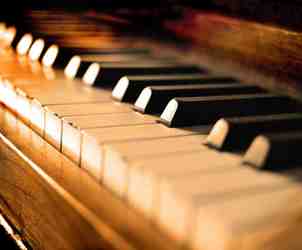
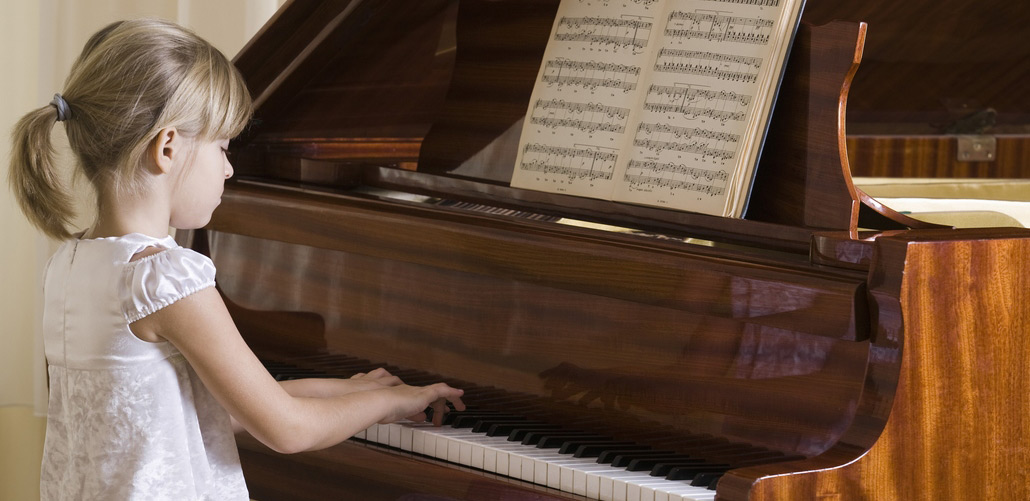
Piano
Our piano program mixes two approaches to instruction: a traditional form developed over the 20th century in Russia more...
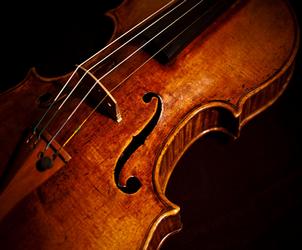
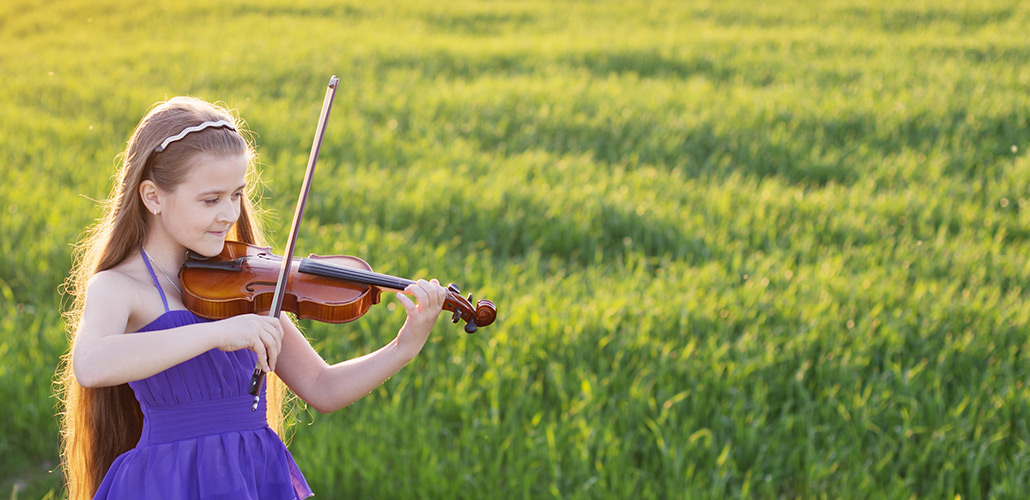
Violin/Viola
Our approach to violin instruction consists of a mixture of two methods: traditional and Suzuki. The Suzuki method is more...
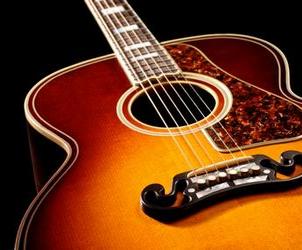
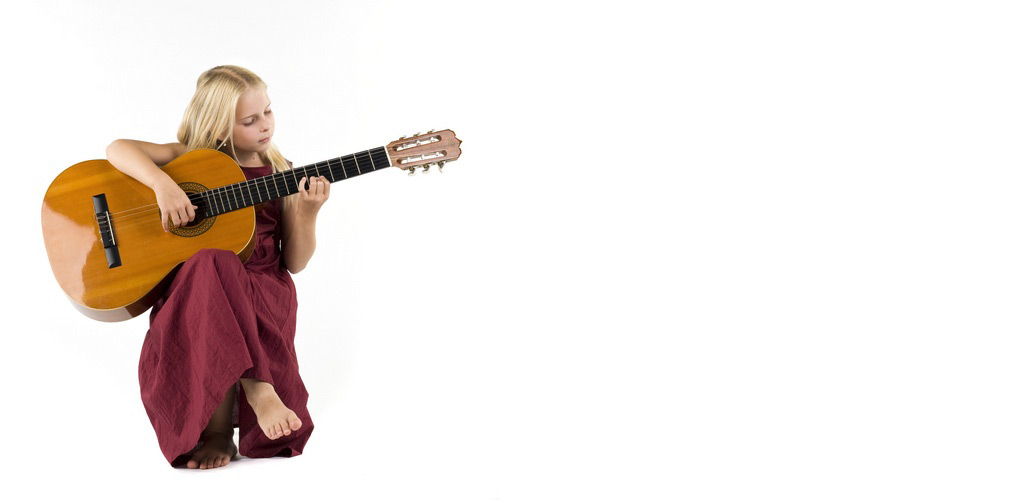
Guitar
Students enrolled in our Guitar program will start their musical journey by learning the fundamentals. This includes; how to more...
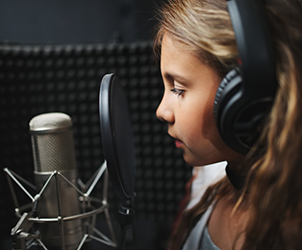
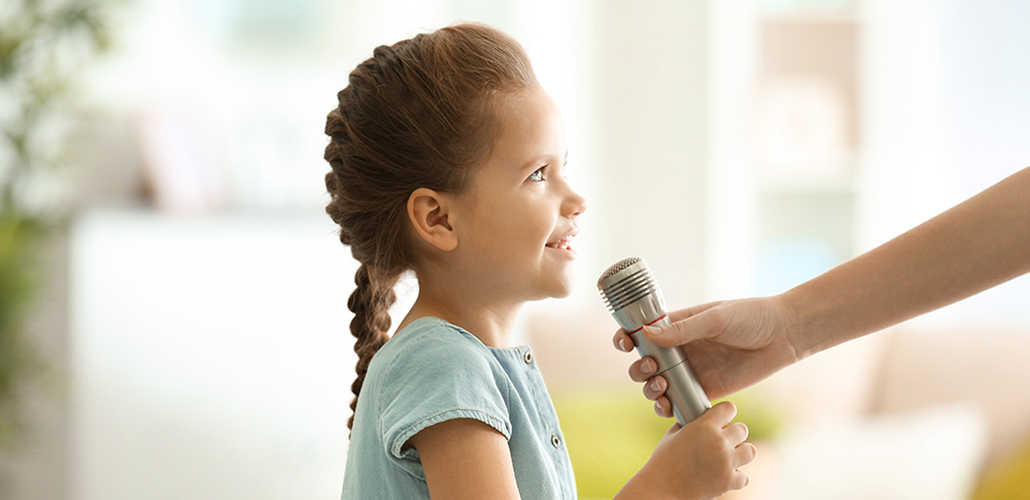
Voice
People of different ages and backgrounds are able to learn how to sing more...
Ms. Jane is an outstanding and very experienced piano teacher and mentor. Her knowledge, professionalism, dedication, patience, and method of teaching are to be admired. Our daughters Giuliana and Olivia began playing the piano at the age of 4 and 3 years old. They both really look forward to each of their piano lessons with Ms. Jane. In the years that they have attended Lepskaya’s School of Music, they have made remarkable strides in learning how to play the piano, which is attributed to Ms. Jane and her teaching techniques. Ms. Jane personalizes each of her lessons based on each of her students’ unique style of learning and creates an enjoyable and fun, while at the same time disciplined, environment for learning. Ms. Jane consistently goes above and beyond to maximize her students’ future potential by continually encouraging them with new, more advanced pieces and participating in performances. We are very fortunate to have Ms. Jane as our daughters’ piano teacher, and we would highly recommend Ms. Jane for anyone looking for a solid and enjoyable music education.
My 9-year-old daughter has been a student of Victoria’s for almost a year. Victoria is an excellent teacher! In her initial lessons, Victoria was able to evaluate my daughter’s skill level. She had learned earlier a few basic things from me, but Victoria has been able to properly teach her the concepts of timing, reading, rhythm, and the proper posture for your hands. After each lesson, Victoria discusses what they worked on and what to focus on for the coming week. This is great! I’ve worked with about 3-4 other teachers in the past for my other daughters, and none of them ever provided me proper feedback. Lastly, my daughter enjoys the music and the pace at which she’s taught that I don’t even have to remind her to practice! I would highly recommend Victoria as a teacher and have told other family members how much I love how well she and Jane’s studio operate.
I have been playing the piano for more than ten years now at Yevgeniya Lepskaya’s School of Music. When I first started lessons at the strong suggestion of my parents I struggled with boring practice time and wanted to quit. However, with Jane’s assistance, I persevered. Jane was always encouraging during lessons and was so kind because she truly wanted the best for me. Her expertise in piano and effective teaching methods soon began to rub off on me and I began playing more difficult pieces. I found I was inspired by their sheer beauty. I would listen to Jane play and then listen online for hours on end to pieces from Debussy’s “Clair de Lune” to Bach’s Toccata and Fugue in D Minor, and now I could play them with my own hands, and that astounded me. After my most recent concert for the School, when I played Schubert’s Impromptu no. 4, one of the younger students approached me and smiled, saying, “You were amazing.”Seeing the joy that my music brings to others has made it more than worthwhile!

We are very happy with Victoria Pilipenko. She is doing an amazing job with my daughter Taira. Excellent teacher with great skills. Taira loves her teacher.
We are looking forward to many more years with her.
This is my girls (6 and 4 years old) first time at taking piano lessons and we couldn’t be more thrilled with Miss Victoria. She keeps my kids interested while continuing to push them to the next level. Miss Victoria has various techniques for teaching each child and adapts to instruct how they learn best.
We just had our first recital and after successfully playing a song both my girls recognized and loved playing, their confidence is even stronger. I have recommended Miss Victoria and the School of Music to several friends and am not only impressed by the professionalism of the School, but the knowledge of music and teaching that both Miss Jane and Miss Victoria possess. I’m excited to continue our lessons.
My children have been Jane Lepskaya’s students for almost 6 years and we find her to be a skilled and wonderful teacher. My kids take direction differently and she is able to adapt her teaching style to their unique style of learning. My older child has experienced 2 other piano teachers and concluded that Jane is, by far, superior.
As with any good instructor, Jane is very patient and caring but firm and knows when and how to challenge/stretch them. She is collaborative in her instruction and direction, taking into consideration any interests the children may have (to keep things interesting for them ) as well as any feedback from parents. She truly cares for the kids and recognizes the importance of music for a well rounded education. Jane is very easy to work with. I find her to be flexible as well as diligent in addressing any concerns I may have. I couldn’t ask for a better or more qualified instructor.

We visited Lepskaya’s School of Music in Fall of 2012 after my husband and I read great parent reviews about the school online. We couldn’t be happier. Jane is an excellent teacher! She challenges her students and brings out the best in them. We all look forward to the spring and winter recitals held at the Fine Arts Building every June and December where we all enjoy a showcase of performances from her students. And of course, we get a treat as Jane concludes every recital with a breathtaking piece.
In two years, my daughter has played in four recitals and has competed in 2013 Winter Sonatina festival where she got a silver medal. I highly recommend Lepskaya’s School of Music!
I have been learning piano with Jane for several years now, and over these years I’ve learned many skills that range from being able to “sight-play” music to being able to compose my own songs. Her piano lessons are a great way to not only teach someone how to play music, but how to love music. She does a excellent job incorporating elements of music theory so you can understand what you’re playing and where it comes from. A big plus about how Jane teaches students new music is that she often lets students choose what pieces to play, which for someone like me who is picky about these things, has been a huge benefit. The recitals are very well organized as well, and allow both students and parents to share music with each other, not to mention the snacks afterward – but before the reception begins, Jane always finishes the recitals with a jaw-dropping piece that has motivated me and likely many other students to keep trying at their instrument and share their skills with the world.
My twins started playing piano at age 6yrs old with Jane Lepskaya from Lepskaya school of music. I had been looking for a music school that catered to young children. We started with one lesson each per week at 35 mins long. By the end of our first month both children wanted more piano time.We than increased our lessons to twice a week and 45 mins per session. It has been an amazing one year. We have participated in two recitals thus far and their progress has been tremendous.
Jane Lepskaya has dedication, patience ,enthusiasm , persistence and not to mention knowledge in the field of classical music as evidenced by her background.
This was one of the best investments we made for our young children! We are so privileged to have the opportunity to have ” Miss Jane” as our piano teacher!
We are very pleased that seven years ago we chose Yevgeniya (Jane) Lepskaya as the piano teacher of our three children Georgia, Vasilios and Thanasis. Jayne is a wonderful, intelligent warm individual whom our children love working with her on a daily basis. She creates a second home for them, where the power of music enriches their lives. She is an impressive teacher who manages to get her points across efficiently through her kind nature. Her dedication to provide educational opportunities to our children through various performances and competitions has inspired not only our children but ourselves as well. We are very fortunate we entrusted our children’s musical education to Jane since she represents not only a unique piano teacher but also a wonderful friend for our whole family!
Outstanding instructors. Lessons are a perfect balance of instruction and fun. For the second summer, my daughter has been admitted to Interlochen as a piano performance major. My son recently sang the lead role in his school musical, “Oliver.” Our experience with Lepskaya’s School of Music piano and voice instruction has been wonderful.
We consider ourselves lucky to find a great music school such as Lepskaya’s School of Music. Our guitar instructor, Chris Dziedzic, is a great teacher and our son has progressed beyond our expectations. Chris Dziedzic has so much patience and has really customized the lessons to fit our son’s needs. Our son even practices!!!
Jane has been my piano teacher for 3 Ѕ years. I started playing piano in first grade when I was seven years old. I am now almost 11 years old and I am going into 5th grade.
Jane has taught me so much in these 3 Ѕ years. When I am nervous during recitals, all I have to do is look at Jane, because she is always smiling. Jane makes me very confident especially when I am nervous. I am very lucky to have a piano teacher like Jane.
Piano is something I will enjoy for the rest of my life thanks to Jane. Every year I am inspired by Jane to keep playing more and more piano.
My daughter Hanna, who is now 10, had a desire to play piano since the age of 4. When she turned 5, I found a teacher for her in the neighborhood. Unfortunately, the experience with the teacher ended up turning her off of piano for 3 years!!
When Hanna turned 8, she started voicing a renewed interest in playing piano. This time I did my research. Hanna and I met with Yevgeniya (Jane) Lepskaya at the Lepskaya’s School of Music, and walked away from our meeting feeling comfortable and excited to start lessons again.
Hanna started piano lessons with Ms.Takako whose personality and calmness turned out to be PERFECT for my daughter’s individuality and learning style. Ms. Takako’s patience, soft demeanor, yet meticulous teaching style are just what Hanna needed to thrive with playing piano. Hanna absolutely LOVES playing and will practice on her own without any reminding or pressuring from me. I owe Ms.Yevgeniya (Jane) Lepskaya and Ms.Takako Hironaka my sincere and deepest gratitude for helping foster my daughter’s love of music and piano.”
My two kids started going to Yevgeniya Lepskaya’s School of Music in September of 2009. After taking piano lessons with Yevgeniya (Jane) Lepskaya for the past 9 months, both my husband and I feel blessed and fortunate to have Ms. Lepskaya as a piano teacher for our two children. Yevgeniya’s best qualities, we believe, are her great professionalism and integrity.
Ms. Lepskaya teaches the kids not only music in depth but also love for the music in general. In addition, Ms. Lepskaya introduces the students to the methods on how to improve their playing in a really fun way. My kids are becoming more enthusiastic about learning piano every day and they are always looking forward to their lessons with Ms. Lepskaya.
One year ago, my 7 year old daughter started piano lessons with Ms. Victoria at The School of Music. It was our first experience with anything musical and we both knew very little. Ms. Victoria has made learning piano a joy for both of us. I sit in each lesson and take notes so I can help my daughter practice at home. In one half hour, we learn more than I would have thought possible and we have fun doing it. Ms. Victoria manages to balance humor with staying focused and keeping her students on track. She is always smiling and using jokes that are age appropriate and gradually builds on skills when students are developmentally ready to learn them. She provides challenges to encourage students’ learning. She also makes sure my daughter is learning the proper way to play, not just memorizing notes. I can’t say enough complimentary things about Ms. Victoria; she is great fit for my daughter and I am so happy to be part of the School of Music family.
Irina Zinevich has been teaching my six-year old son violin for the past year and a half.
Ms. Zinevich has been incredibly patient and supportive towards him. Having a little one in a 45 minute lesson could be hard on anyone. Irina is very creative in her teaching methods. She works hard to make each lesson enjoyable for my son. As a result of Ms. Zinevich’ efforts, my son wants to keep trying. Thanks to Irina, my son loves music and understands how important it is to practice.
Our daughter, Emma, has been a student of Yevgeniya Lepskaya School of Music for 2 years.
We could not be more pleased with Jane, who happens to be the owner and piano instructor. She is truly passionate about music and teaching.
Emma has learned so much in the short time that she has been a student of Jane’s.
The reason is that Emma loves spending time with her. She demands a lot from her students, but has created an environment where children want to be. Just recently, our daughter took part in one of the school’s piano recitals.
Jane started the recital with a brief introduction and referred to her students as “all of my children”.
It was a wonderful comment that was appreciated by all of her students and the parents.
Thank you Jane for being a wonderful teacher.
My daughter, Carolina (11), has been studying piano with Jane since 1st grade. Jane not only shares her extensive knowledge and technical expertise, but also her love of music, explaining the history and feeling behind the musical pieces. Over the past 4 years, Jane and Carolina have formed a special bond. Jane is patient and respectful of her specific mood or ability level on a given day, asking questions and listening. Jane challenges Carolina to go beyond what she thinks she can accomplish and encourages her to work hard. At the same time, she also has an excellent sense of when to push and when to pull back. My daughter has also taken lessons from Takako, who always seems to help her through rough patches in a piece. The recitals and occasional competitions have resulted in a sense of accomplishment, greater confidence in her abilities and grace under pressure. Carolina truly enjoys playing the piano, which is really all I could ask for. I highly recommend Jane and her staff.
I am amazed at how much my daughter has learned this year! The Lepskaya’s School of Music really brings out the best in their students! My daughter was previously taking lessons at another studio where the teachers kept changing and ultimately she was constantly playing at the same basic level. We switched her out to Lepskaya’s with Lesley as her teacher. Lesley’s been a great “instrument” in improving my daughters skills. According to my daughter, Lesley helps you focus on any problems you’re having with a piece and gives you great detailed information on how to work on it. My daughter has definitely been challenged and is playing beautiful music! I’m glad we decided to give this local school a chance.
Ms. Jane is an outstanding and very experienced piano teacher and mentor. Her knowledge, professionalism, dedication, patience, and method of teaching are to be admired. Our daughters Giuliana and Olivia began playing the piano at the age of 4 and 3 years old. They both really look forward to each of their piano lessons with Ms. Jane. In the years that they have attended Lepskaya’s School of Music, they have made remarkable strides in learning how to play the piano, which is attributed to Ms. Jane and her teaching techniques. Ms. Jane personalizes each of her lessons based on each of her students’ unique style of learning and creates an enjoyable and fun, while at the same time disciplined, environment for learning. Ms. Jane consistently goes above and beyond to maximize her students’ future potential by continually encouraging them with new, more advanced pieces and participating in performances. We are very fortunate to have Ms. Jane as our daughters’ piano teacher, and we would highly recommend Ms. Jane for anyone looking for a solid and enjoyable music education.